Check the bottle fit
The bottle is part of the pressure system. Choose it by explicit model approval, then consider cleaning, storage and replacement—not the other way around.
Compatibility firstA reusable drinks bottle and a carbonation bottle do different jobs. An everyday bottle may be suitable for carrying a finished drink without being approved for carbonation inside a machine. Similar neck dimensions, a familiar brand name or the ability to attach a bottle do not establish that it can safely withstand the intended operating conditions.
Begin with the exact model name printed on the machine. Find its current manual and approved accessory list. Then match the bottle’s product code, material and stated compatibility. Keep the packaging or a saved copy of those instructions so that a later replacement does not depend on remembering what the original bottle looked like.
Use a compatibility record
Product families can include different attachment mechanisms and bottle sizes. A manufacturer may also change a design while keeping a similar product name. Where a listing says “fits most machines,” look for an explicit model list or ask the manufacturer. A broad retail description is weaker evidence than the machine’s own approved-accessory documentation.
Do not test an uncertain fit by forcing the bottle into place or modifying its neck, seal or base. Do not use a third-party adapter merely because it appears to solve the attachment problem. Safe compatibility includes pressure behaviour and clearances that are not visible from the outside.
Capacity is not the fill line
A bottle’s nominal capacity and the amount of water used for carbonation may differ. The marked fill line leaves the headspace required by the system. Filling to the brim, using a kitchen measuring jug instead of the bottle marking or assuming another bottle’s line applies can interfere with operation. Follow the exact bottle and machine instructions together.
This distinction also matters for costs. If you carbonate to a fill line below the nominal bottle capacity, counting every preparation as a full nominal litre overstates output. Use the actual prepared volume when recording household consumption. Otherwise the calculated cost per litre can appear lower simply because the volume estimate is wrong.
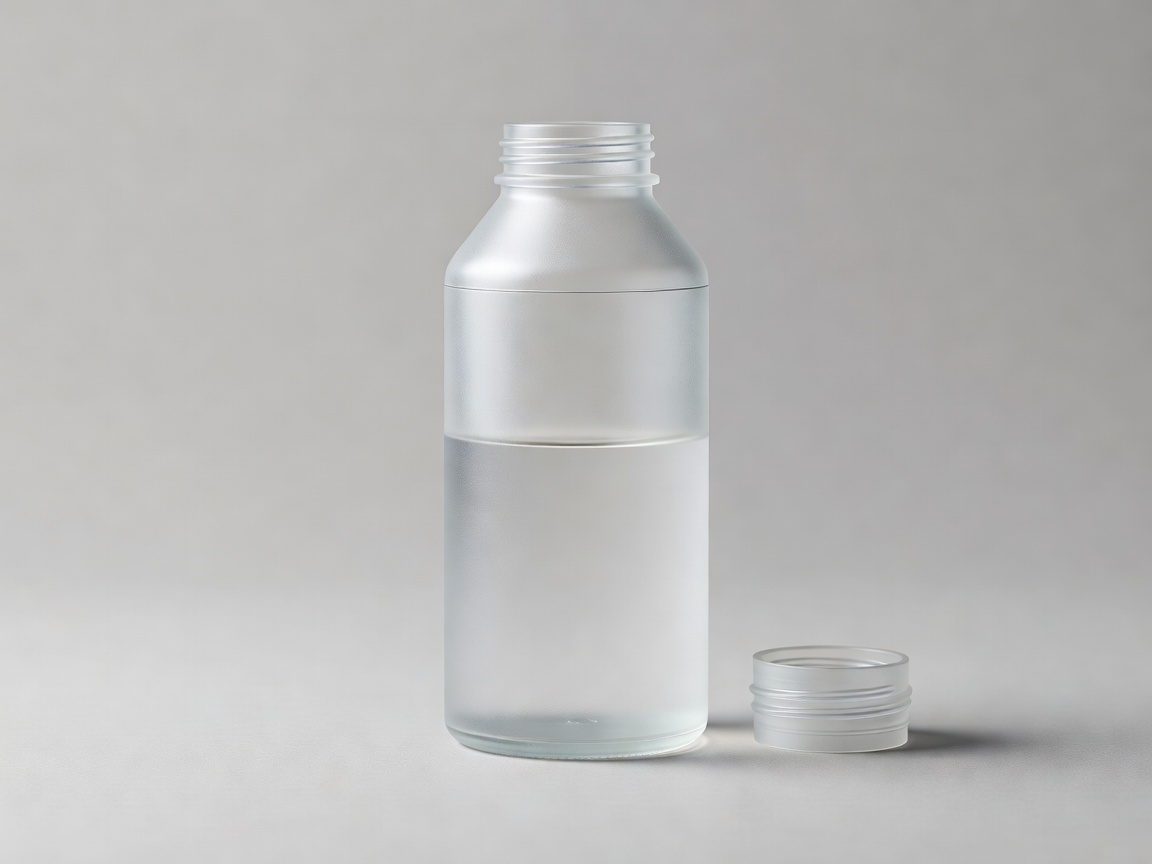
Plastic, glass and metal need separate checks
Plastic carbonation bottles can be lightweight and easy to handle, but their care limits are specific to the product. Some are labelled dishwasher-safe; others are not. A recycling symbol or a general material description does not establish dishwasher permission. Heat exposure can also matter outside the kitchen, including storage in a hot vehicle.
Glass bottles require machines expressly designed to carbonate with that bottle system, often with a protective enclosure. Ordinary glass water bottles and serving carafes are not substitutes. Stop using chipped, cracked or otherwise damaged glass and follow the manufacturer’s inspection instructions. Never assume that a glass bottle approved for one enclosed machine is approved for another.
Metal bottles need the same model-specific approval. Material strength alone does not establish compatibility, and an opaque bottle may use a different method for identifying the fill level. Check the instructions rather than transferring the routine from a transparent bottle. For every material, the cap, gasket and attachment must belong to the approved assembly.
Plan replacement before it becomes urgent
Some pressure-rated plastic bottles carry a marked expiry date or service-life instruction. Follow it even if the bottle still looks tidy. Equally, an expiry date is not permission to keep using a bottle that is damaged earlier. Cracks, deformation, damaged threads, a compromised base or an abnormal seal warrant stopping use and checking the manufacturer’s guidance.
Record the dates when you buy spare bottles. Buying several at once can be useful for chilling water, but it may also mean several reach their retirement point around the same time. Add the replacement allowance to the ownership ledger, including the number of bottles you actually need rather than assuming one bottle represents the whole household.
A reusable bottle is a maintained component, not a lifetime exemption from replacement.
Make the daily rotation workable
Consider refrigerator shelf height, door storage, grip and the space required to dry each bottle. A two-bottle rotation may let one bottle chill while another is in use, but more bottles mean more storage and inspection. Buy the smallest practical set first if you are uncertain how often the machine will be used.
Keep finished drinks within the bottle’s permitted use and storage instructions. Do not assume the carbonation cap is leakproof for transport, and do not use the bottle as a hot-drink container unless specifically allowed. An insulated travel flask for a finished beverage is a separate purchase decision from the pressure bottle that goes in the machine.
A bottle-focused buying decision
Compare the availability of replacements alongside the machine itself. Check whether caps or seals can be purchased separately, whether the bottle opening permits the recommended cleaning method and whether the care steps fit your household. A bottle that is easy to obtain and maintain can remove more friction than a cosmetic machine upgrade.
There is no universal best material in this guide, and no hands-on durability test is being claimed. The defensible choice is an approved bottle with care requirements you can follow. Continue with the cleaning and filtration guide, or add your planned bottle rotation to the ownership-cost example.